
TIBI – Rapid Passenger Train
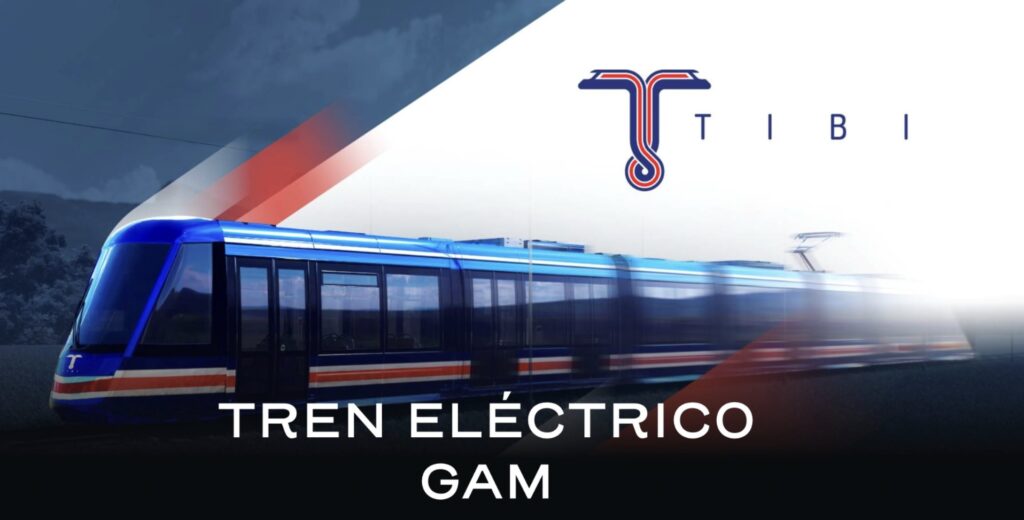
TIBI (Tren Rápido de Pasajeros) is a central infrastructure project for sustainable mobility in Costa Rica and forms part of the country’s National Development and Public Investment Plan. The project aims to establish a modern electric passenger rail system that strengthens public transport in the Greater Metropolitan Area (GAM) while supporting Costa Rica’s long-term decarbonization strategy.
For companies, TIBI offers potential opportunities in the planning and development of new railway infrastructure and stations, the supply of electrification, signalling and control systems, digital mobility solutions, railway equipment, engineering services, and technologies supporting modern passenger rail transport. These opportunities arise from the planned development of a new electric passenger railway, the modernization of existing infrastructure, and the implementation of modern rail and digital mobility technologies throughout the project’s development.
Project Objectives
A core objective of TIBI is to support the decarbonization of Costa Rica’s transport sector. By providing an efficient, low-emission mass transportation alternative and shifting part of motorized individual transport to rail, the project is expected to reduce greenhouse gas emissions while supporting the country’s national decarbonization objectives. Costa Rica’s National Decarbonization Plan and its strategy for electric mobility provide the broader policy framework for the development of low-emission transport systems.
At the same time, the project is intended to modernize public transport in the Greater Metropolitan Area, reduce road congestion, shorten travel times, and improve daily commuting conditions. The development of an electric rail system is particularly relevant in a country where most electricity generation comes from renewable sources such as hydropower, wind, and geothermal energy.
Project Scope
The project foresees the development of approximately 52 kilometres of electric railway connecting the provinces of Cartago, San José, Heredia, and Alajuela through two railway lines. Planned works include the construction of 26 to 30 stations, the modernization of existing railway infrastructure, and the implementation of electrification systems as well as modern signalling, control, and digital mobility technologies.
Financing and Institutional Framework
The project is financed primarily by the Central American Bank for Economic Integration (CABEI/BCIE) and the European Investment Bank (EIB), complemented by resources from the Costa Rican State and international climate-related funds. The total financing package amounts to approximately USD 800 million. INCOFER plays a central role in the development and implementation of TIBI, while the Ministry of Public Works and Transport (MOPT) is responsible for national transport and infrastructure policy and coordinates major infrastructure projects in the transport sector.
Current Status
In May 2026, Costa Rica’s Legislative Assembly approved the international loan agreement for TIBI, marking an important milestone in the project’s development. However, the implementation of the project still involves challenges such as land acquisition and expropriation processes, the relocation of existing infrastructure, institutional coordination, and the possible need for additional financial resources.
Interested in getting involved?
If you are the owner of, or part of, a company operating in the railway sector—including construction, maintenance, sales, spare parts, or related and supporting services—we would be pleased to hear from you. Please contact us at contacto@dhk.cr.